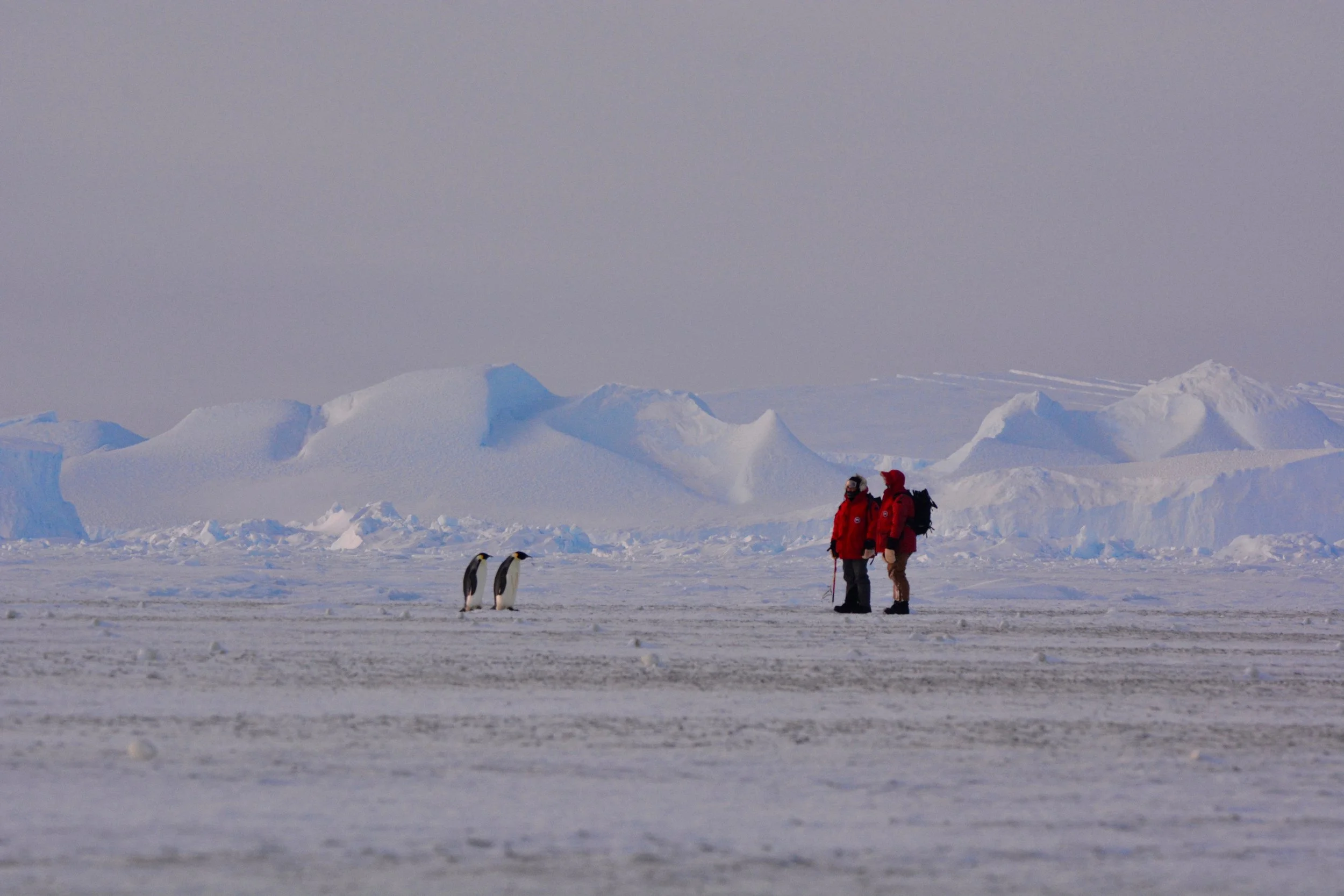
Ten years ago, I spent a year in Antarctica as the station leader at an Australian research station, Mawson.
Living and working in Antarctica is an experience that I feel incredibly privileged to have been able to have. It was both one of the hardest but most rewarding experiences of my life. It is very difficult to explain the experience to people who have not also lived the experience because it is so very different to everything else in our lives.
Being a leader in Antarctica gets real very, very quickly
Most new leadership roles give you a little time to find your feet. You learn people’s names, work out how things operate and gradually settle into the responsibility. If you are one of those organised people you might even write out your ‘first 90 day’ plan.
My first few weeks as Station Leader in Antarctica commenced with resupply, which is the annual drop off for all food, medicines, research and building materials. Basically, anything that you might need for the year arrives and all the rubbish and any machinery etc that is not needed is loaded back onto the ship and sent back to Australia. It is chaotic, energetic and full on.
Towards the end of resupply, about 3 weeks into my role there was a blizzard. 100km an hour plus winds, snow and zero visibility. Really there was nothing we could do except have a party!! Resupply operations were shut down and secured and other than those people who remained on the ship everyone else bunkered down in the main station and settled in for a predicted 72 hrs of not leaving.
The next morning about 6am I was standing in the mess, looking out the window at swirling snow blowing horizontally past the window when the radio crackled into life. “Mayday, Mayday, Mayday, we have run aground”. The resupply ship Aurora Australis had broken free of her moorings in the small harbour and had been driven up onto the rocks on the far side. Suddenly, there were immediate needs, changing information and a lot of people looking for direction. This was not what I had imagined the beginning of my year in Antarctic would look like.
Experiences like this sharpen your understanding of leadership. You have to quickly work out what matters right now, what can wait and whose expertise you need to surround yourself with. You need to communicate clearly and confidently to everyone, even when you don’t have every answer. You also become very aware that your own behaviour affects the people around you. How you respond to uncertainty helps set the tone for everyone else.
The lesson learnt from my time in Antarctica still guide my work with business owners today. The circumstances are usually less dramatic, but the questions are familiar. What needs my attention? What information do we have? Who can help? What is the next useful thing we can do?
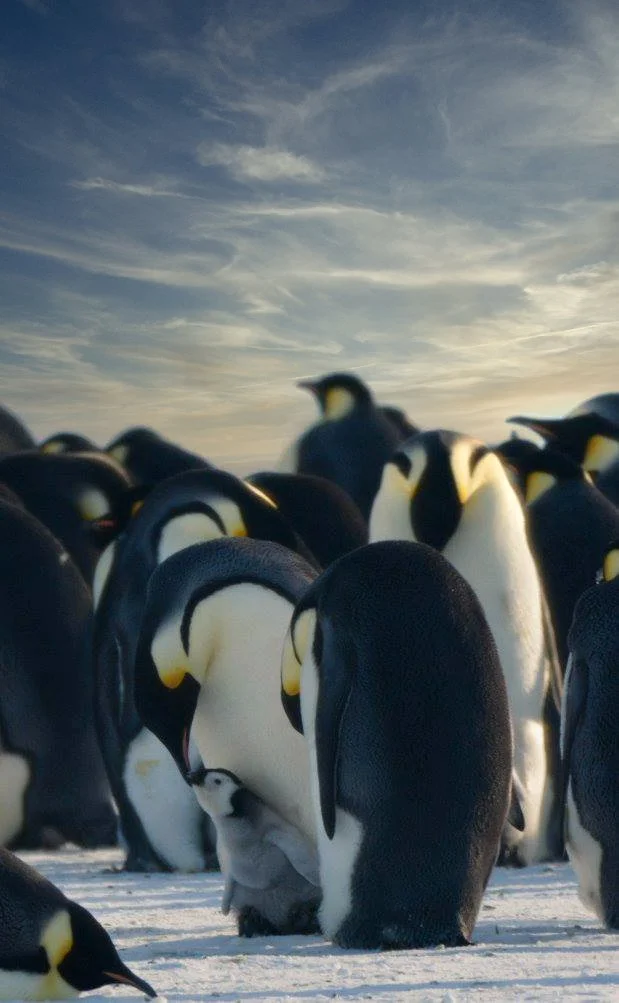
While this emergency, and a couple of others, are one part of my Antarctic story. The thing that has really stayed with me is the experience of being somewhere that could stop me completely in my tracks. There are so many amazing and special experiences that I could tell you about from that year. The strangeness of walking over sea ice, listening to it creak and groan, knowing that the ocean is just beneath you. The joy of sitting with a huddle of emperor penguins and glimpsing fluffy grey chicks balanced on their feet. Lying on a snow drift watching the aurora australis dancing above and feeling the energy swirl. Watching Orca’s teach their babies to hunt, the list really does go on and on.
Some of my strongest memories are of simply sitting and being absorbed in the moment and to what was right in front of me.
It’s something I need reminding of now, too. When you’re running a business, there is always another task. It’s very easy to become so occupied with managing life that you forget to experience it.
As well as the special and unique experiences that make Antarctica one of those places that get under your skin, there was also the mundane everyday tasks that go with living in a remote place with a (very) small community. Doing the rostered chores, helping in the kitchen and taking a turn at keeping the hydroponics shed alive. You work, eat, learn things and spend time with the people around you.
Everyone has to work together to build a community, recognising those things that create community are important. The shared celebrations, values and experiences are critical to building a healthy dynamic. We did some special things like making salami from a whole pig that had originally been intended for a spit roast. Filming a short film for The Winter International Film Festival of Antarctic (look it up you can watch some of the entries!!) and of course dress up nights. The learning shared projects matter. So does having something to enjoy, something to learn and something to talk about beyond work.
10 years later looking back, I can see threads from Antarctica running through the work I do today, strategy, systems and self. There were times when we needed strategy, clear priorities and practical decisions. There were times when we relied on our systems, processes, preparation and each other’s expertise. And throughout it all, there was having to look after ourselves in a remote and isolated place navigating responsibility, uncertainty and the realities of living in a small community.
I learnt a lot about my own capacity that year. I also learnt the value of other leaning on other people’s knowledge and making space for experiences beyond work.
So, if you ask me for a story from Antarctica, you might hear about a grounded icebreaker, an emperor penguin or a pig with a change of career. Whichever story I tell you, it will probably not be what you are expecting.